Worth remembering
- The official cyclone season in Mauritius runs from 15 November to 15 May, so plan the rest of your trip around it.[1]
- Seaplane passengers must be at least 15 years old and weigh no more than 100 kilograms.[2]
- The East Coast Mauritius Private Scenic Seaplane Tour lasts 15 to 30 minutes, with starting times shown when you check availability.[3]
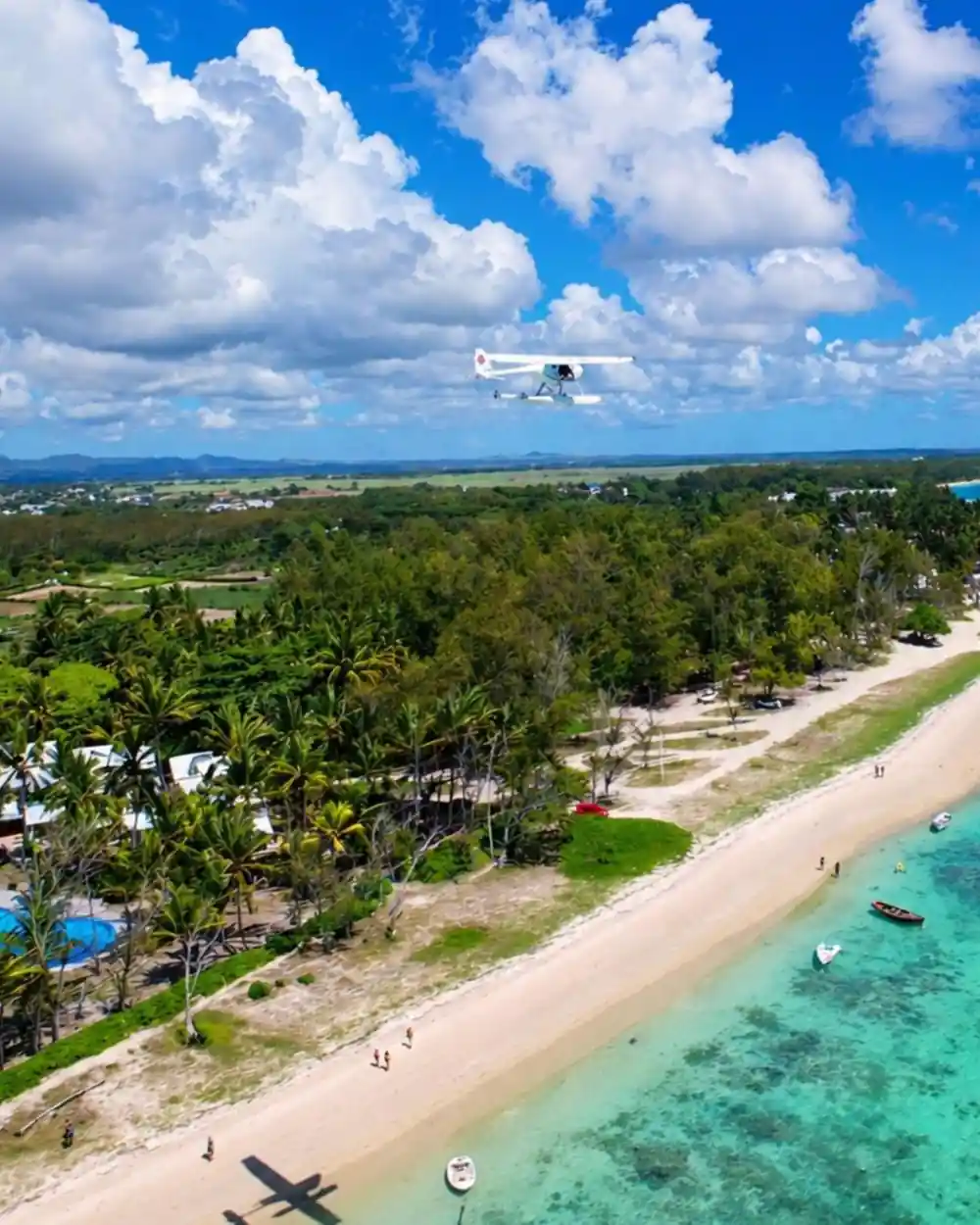
- The tour stops at Belle Mare, the beach where the One&Only Le Saint Géran resort is set on the east coast.[3][4]
- Free cancellation up to 24 hours in advance for a full refund, and you can reserve now and pay later.[3]
- Top choice East Coast Seaplane from US$254 Duration15 - 30 minutes[3]Rating4.22 from 128 reviews[3]LanguageEnglish, French[3]CancellationFree cancellation up to 24 hours[3] Check availability
- Scenic Helicopter Flight from US$860 Duration3 hours[5]Rating4.60 from 98 reviews[5]LanguageEnglish, French[5]CancellationFree cancellation up to 24 hours[5] See this tour
- Northern Isles Catamaran from US$81 Duration8 hours[6]Rating4.70 from 2,082 reviews[6]LanguageEnglish, French[6]CancellationFree cancellation up to 24 hours[6] See this tour

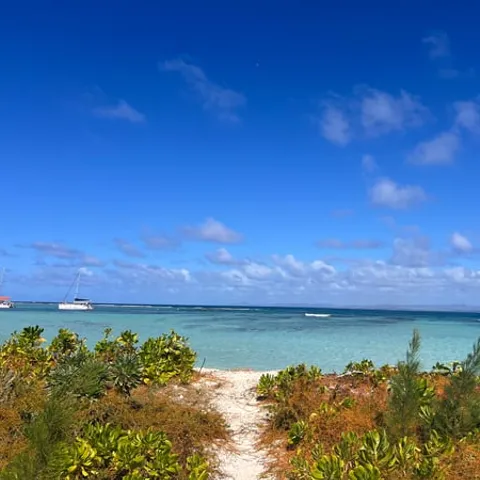
The cyclonic season officially starts on 15 November and ends on 15 May.
Fly early and stay flexible on the east coast
Things to check
What the numbers say about the east coast sky
The first figure that matters for a seaplane trip is not a temperature or a rainfall total. It is the length of the flight. The East Coast Mauritius Private Scenic Seaplane Tour runs 15 to 30 minutes, and you check availability to see the starting times on your date.[3] Half an hour in the air is short enough to aim at the good hour of the day instead of giving up a whole afternoon to the water. The tour is a private group, and it stops at Belle Mare on the east coast.[3]
The other number to keep in mind is the cyclone season, which officially starts on 15 November and ends on 15 May.[1] Outside those dates the island runs on the trade winds and on showers that pass through, and a short flight has room to slot into a good window. Within them, you are working around a forecast that can change quickly, and a flexible booking is worth more than any long range chart. It is also the reason a short scenic flight fits neatly into a two week holiday: you need one good window, not a fortnight of sunshine.
The wind, which the rainfall table never shows
Wind is the thing a rainfall table leaves out, and on the east coast it is the thing you feel first. The south east trades cross the island for much of the year, pushing swell onto the reef and lifting a chop on the lagoon that shows up in photographs as texture instead of the flat pale turquoise of a calm morning. A seaplane sits on the water before it climbs, so the surface of the lagoon matters as much as the sky above it. A stiff breeze also asks more of a small aircraft, and a good operator will tell you when the day is not the day.
Local variation is real. Roches Noires Mauritius weather and the conditions at Belle Mare can read differently on the same morning, with headlands, bays and the lie of the land all nudging the breeze. What counts for the flight is the wind at the surface and the cloud base above it.
For a short scenic flight the useful forecast is a simple one: wind speed at the surface, wind direction, and how low the cloud sits. Anything more detailed is guesswork at this range. If the lagoon in front of your hotel looks glassy at breakfast, that is a good sign for a morning slot, and you can always ask the operator what they are seeing.
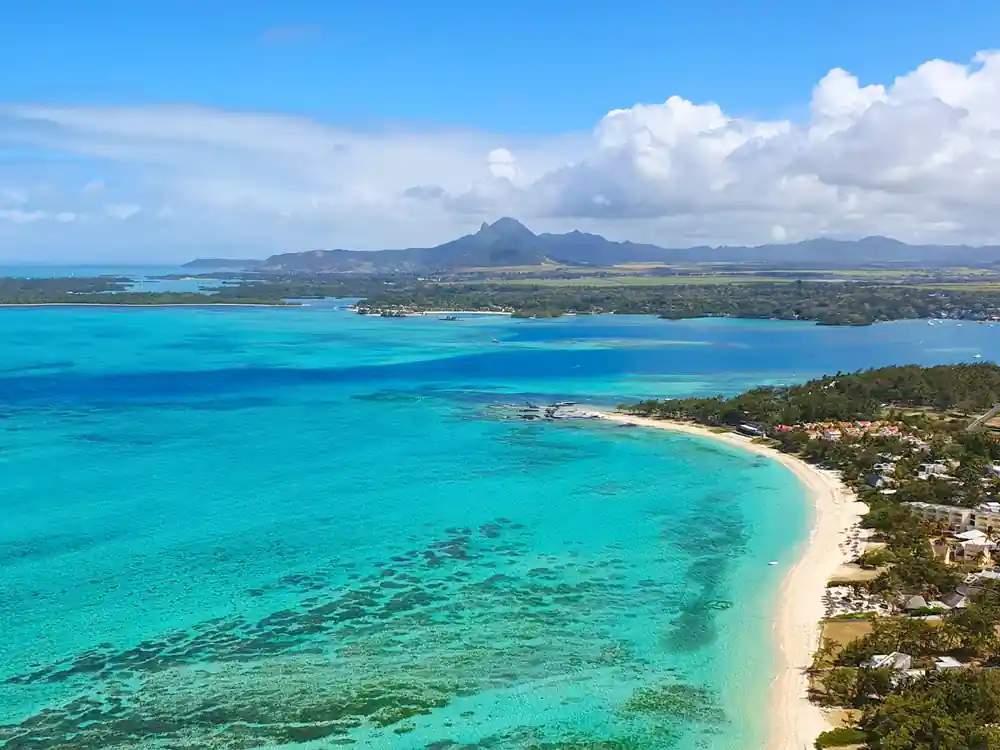
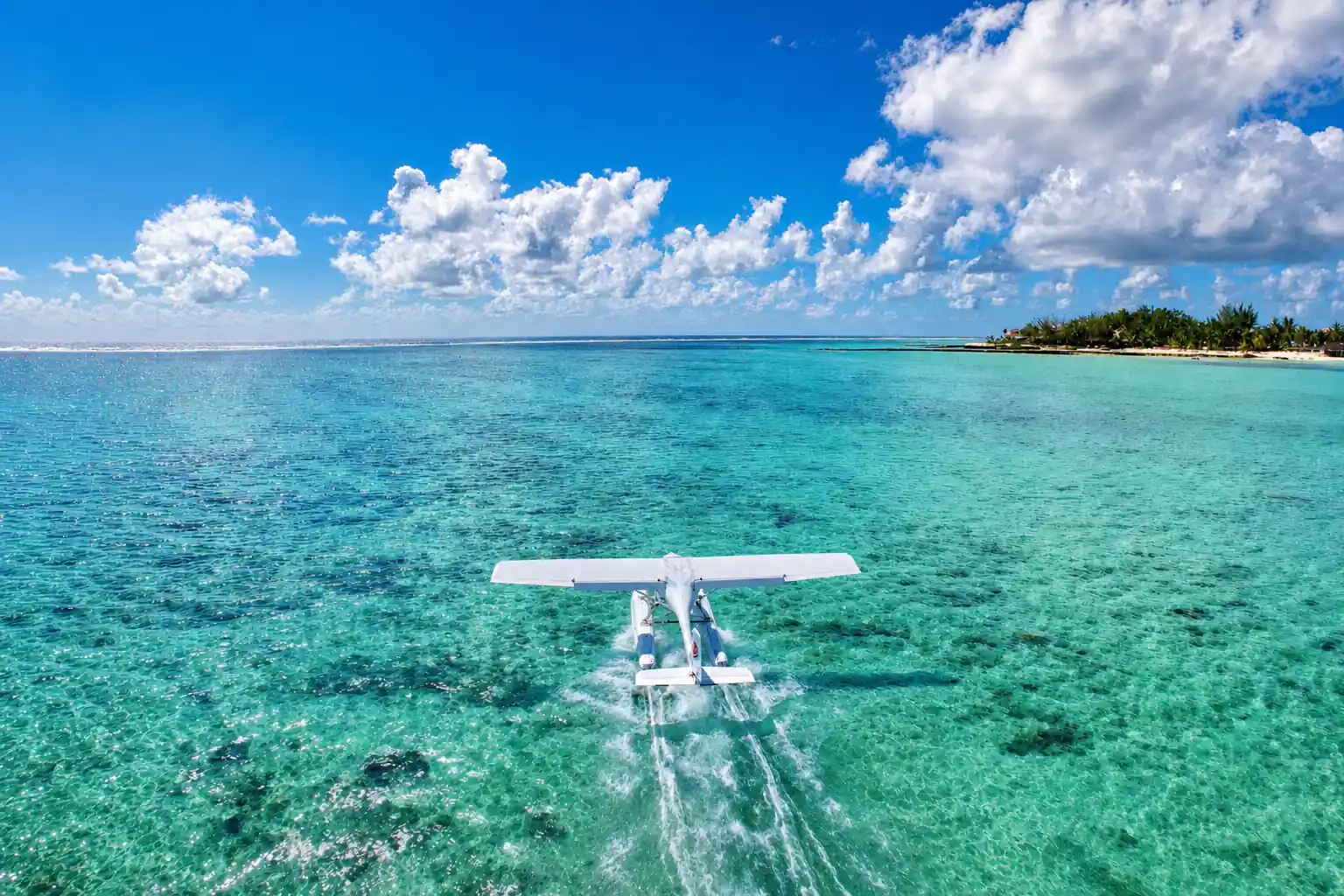
Morning calm over the lagoon, when the east coast usually shows its flattest water.
What weather dependent really means
Every scenic flight is weather dependent, and it helps to know what that phrase is doing. It means a pilot makes the call rather than a booking system. If the wind, the cloud or the visibility is against you, the flight moves, and you are not locked in by a forecast you read weeks ago. The East Coast Mauritius Private Scenic Seaplane Tour comes with free cancellation: cancel up to 24 hours in advance for a full refund, and you can reserve now and pay later.[3]
A flight of 15 to 30 minutes is much easier to move than a full day on a boat.[3] The practical move is to book the seaplane early in your stay and keep a spare morning free at the end, so one blustery day does not become the whole story. Coastal weather shifts through the morning, and what looks doubtful at breakfast can look very different two hours later.
Morning or afternoon: how the light changes
Most days on the east coast start calm and build. The land is cooler than the sea first thing, the breeze is light and the lagoon lies flat enough to see through to the sand and the coral. By afternoon the sea breeze has filled in, the water carries more chop, and a high sun flattens the contrast between the reef, the sand and the deep channel beyond.
That does not make an afternoon flight a poor one. Later light warms the lagoon and gives the coastline long shadows and real shape. For the classic bright turquoise view, aim for the middle of the morning. For something moodier, ask about a later slot. Either way the tour runs 15 to 30 minutes, and starting times are confirmed when you check availability.[3] Ask at booking which slots are still open, and take the earliest one that fits your plans.
from US$254
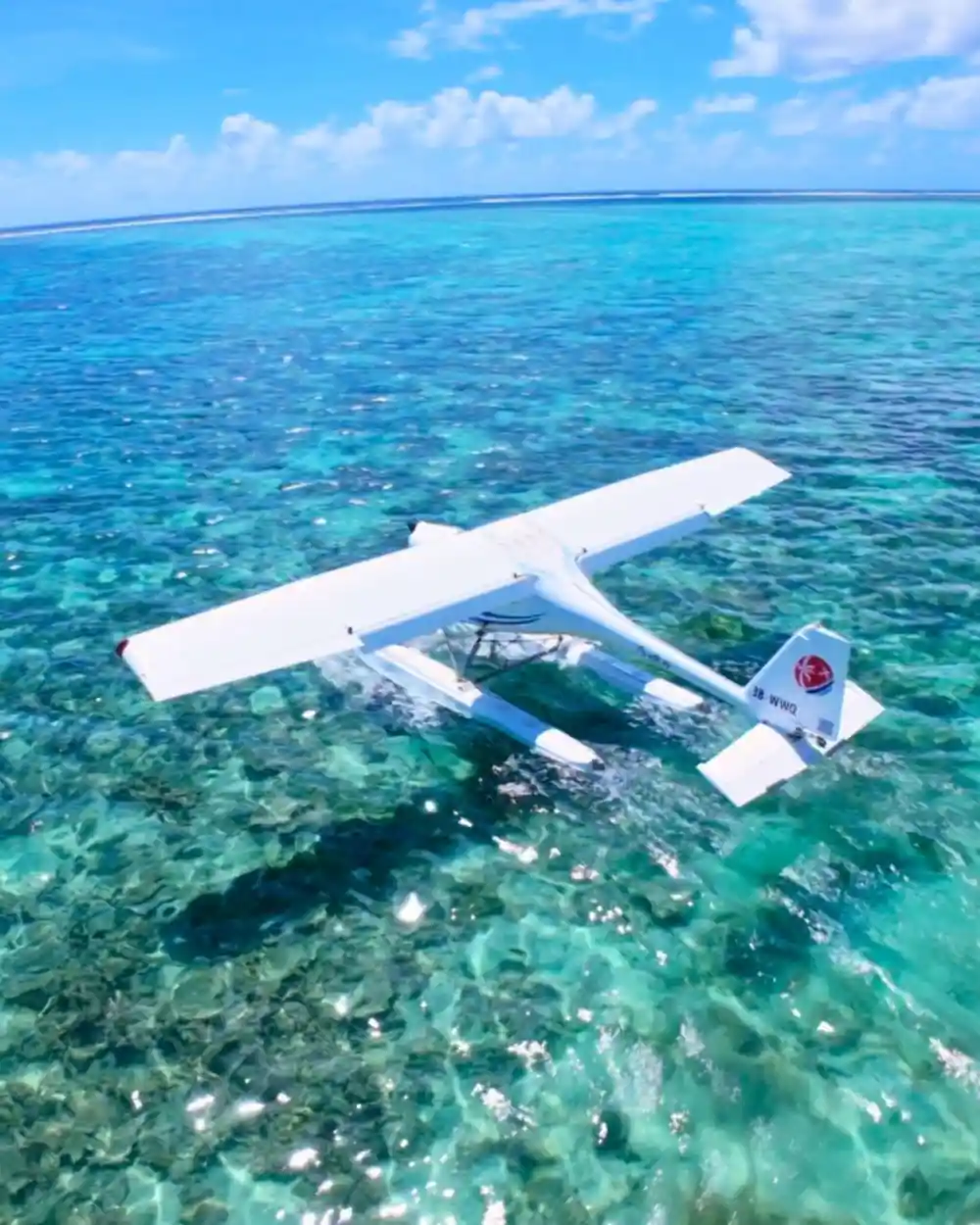
The East Coast Mauritius Private Scenic Seaplane Tour flies a private group for 15 to 30 minutes and stops at Belle Mare.[3]
Cyclones, and what to do about them
The official cyclone season in Mauritius runs from 15 November to 15 May.[1] That is a long window. It is not a season of constant storms; it is the stretch when the island keeps an eye on the Indian Ocean for systems that can bring wind and heavy rain, and when forecasts deserve more attention than usual.
Plan simply. Keep your dates flexible where you can, take travel insurance that covers weather disruption, and put the flight in the first part of the trip so there is room to shift it. Outside the season the risks are ordinary: a passing shower, a cloudy morning, a stiff breeze. Free cancellation up to 24 hours in advance for a full refund means a bad forecast does not have to cost you.[3]
If you are travelling inside the season, watch the regional forecasts in the days before you fly and keep your phone charged for messages from the operator. A moved flight is a normal part of life here, not a disaster, and the island has plenty to fill the gap while you wait for a calmer morning.
Planning around June and July on the east coast
The middle of the southern winter is the island's most comfortable stretch for walking and driving, and an east coast holiday then sits right in it. A later winter break does too. The variable worth watching is wind, since wind decides how the lagoon looks and how the light lands on it. If you are weighing up what east coast mornings bring in the cooler season, look at wind speed and cloud base rather than a temperature reading.
The coast itself does not change with the month. Ile aux Cerfs is a picturesque 87-hectare island off the east coast, known for its white sandy beaches, turquoise lagoons, restaurants, water sports and land activities.[7] South of it, the Grande-Rivière-Sud-Est waterfall lies at the source of the river and can be reached by sea or through the sugarcane fields.[8] Both are good company for a day when the flying window stays shut, and a spare day on the east coast is rarely wasted.
What you see from the air, and how to be ready
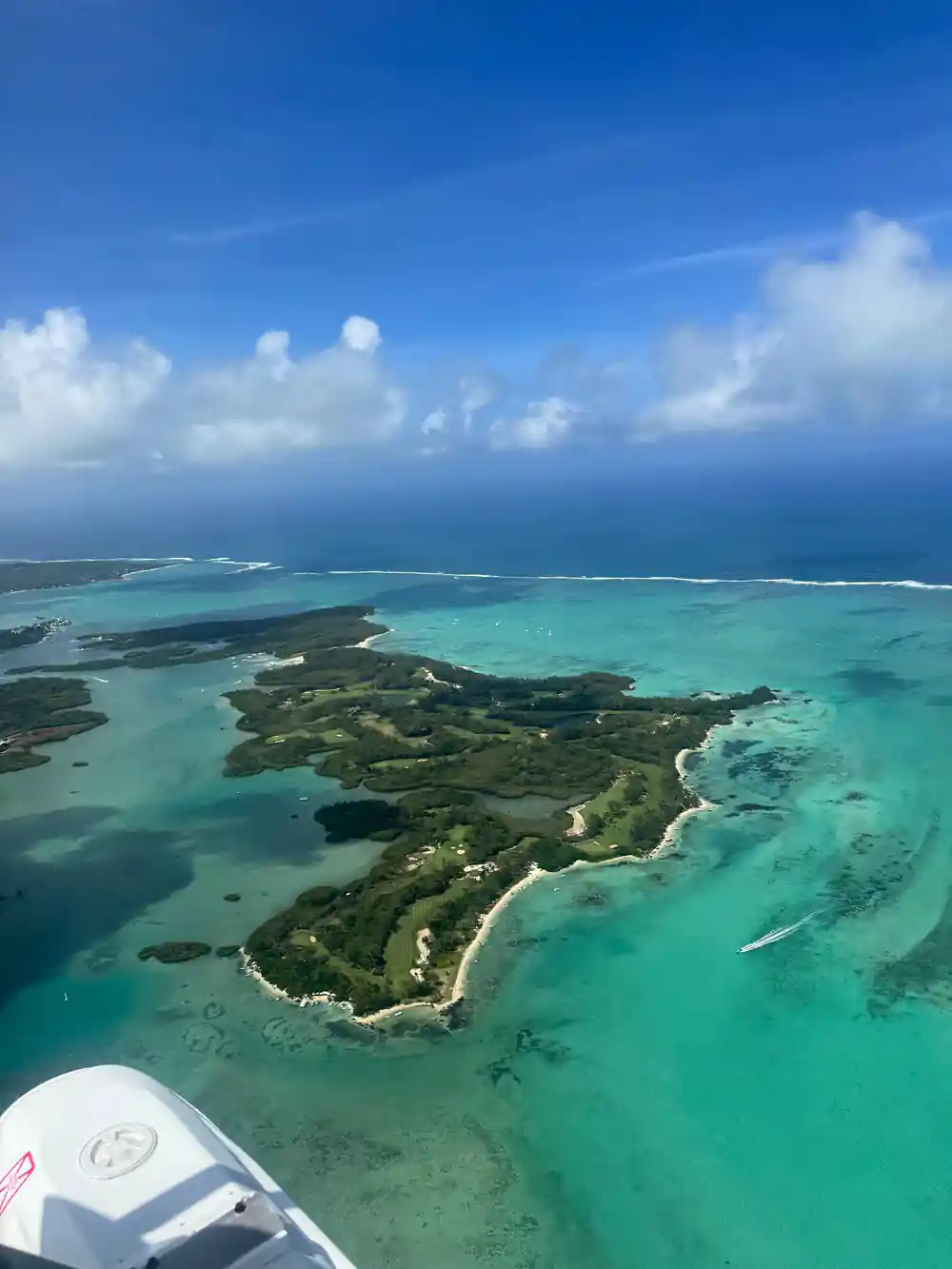
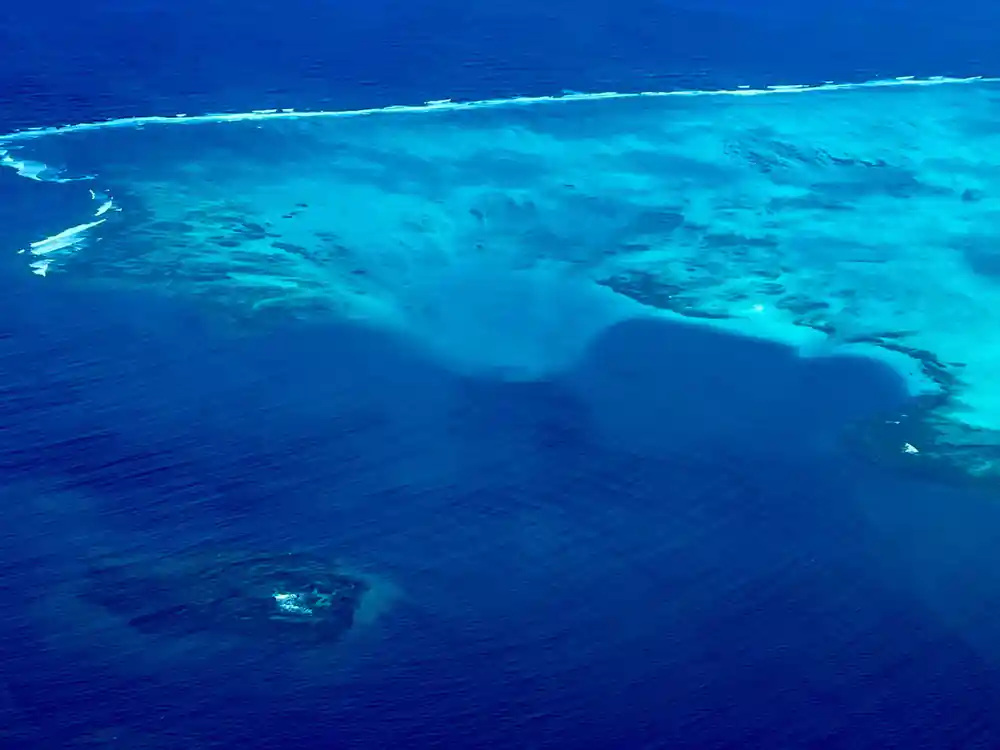
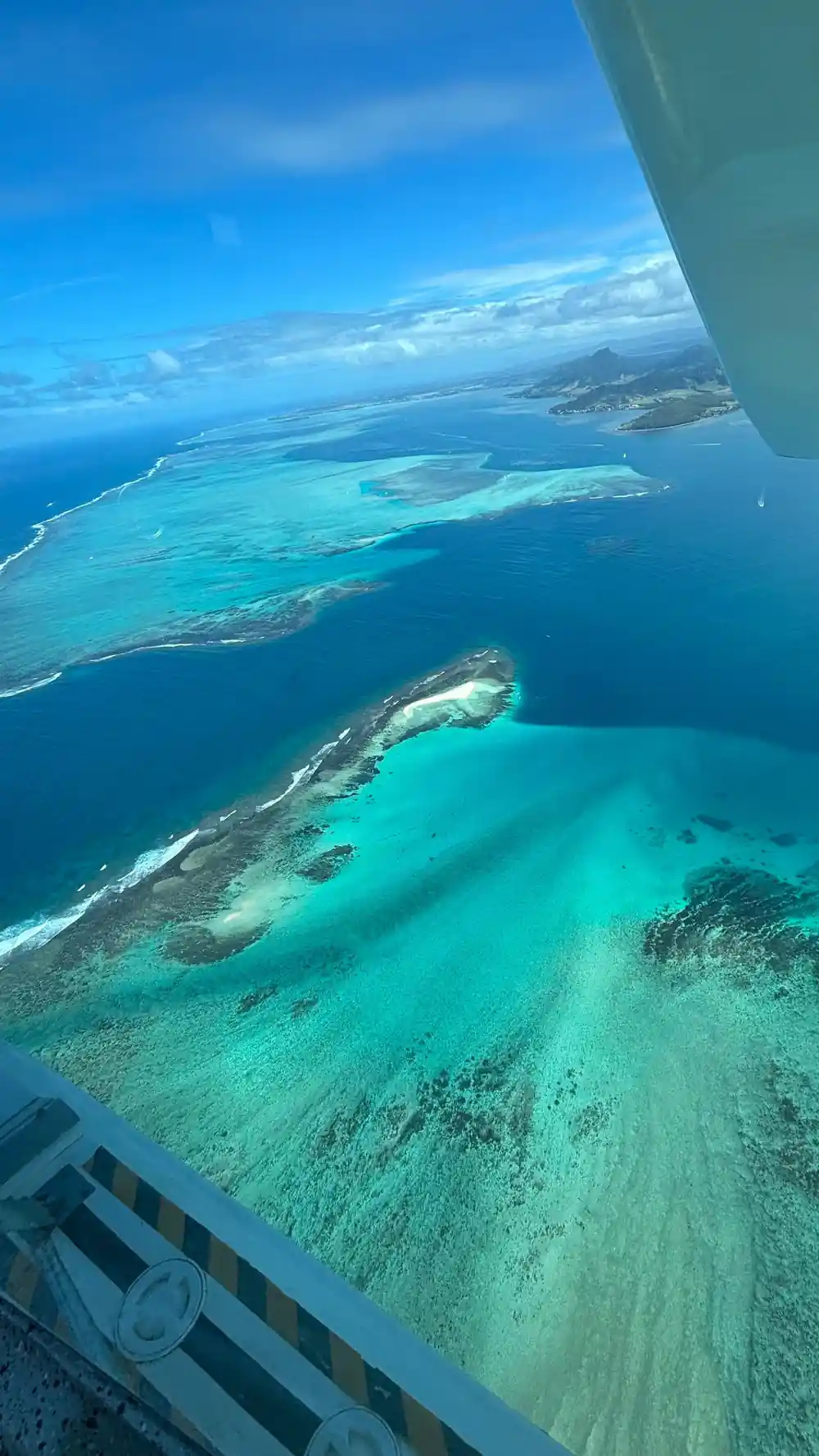
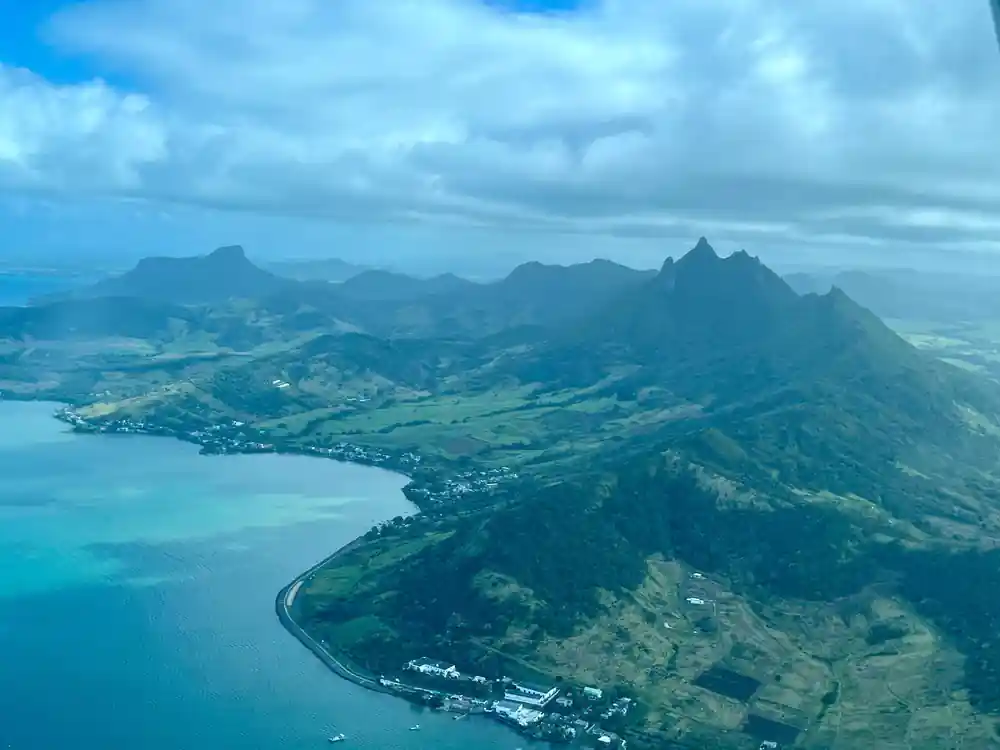
From a seaplane the east coast reads as bands: pale sand, turquoise lagoon, the white line of the reef, then deep blue where the shelf drops away. Look for the colour change where the shallow lagoon ends and the deeper water begins; it is the clearest map of the coast you will ever get. Inland, Lion Mountain's silhouette resembles a lion lying down, and it is the only witness left of the Battle of Grand Port.[9] The famous underwater waterfall illusion is a different part of the island, southwest of Mauritius, offshore of Le Morne Peninsula.[10]
Before you go, check the simple rules. Seaplane passengers must be at least 15 years old and weigh no more than 100 kilograms.[2] Wear dark clothing to cut reflections in the window, keep a strap on your camera, and put the phone down for a few minutes. The flight is 15 to 30 minutes long, which is short enough to watch properly.[3]
Traveller scores for island days out
Scores as rated on GetYourGuide for each listing.[3][5][6][11]
From-prices for a morning in the air or on the water
From-prices in US dollars from the tour listings cited here.[3][5][6][11]
Choosing your slot on the day
Booking your seaplane slot
Pick your window
The official cyclone season runs from 15 November to 15 May, so weigh up the months before you fix your dates.[1]
Choose your hour
The flight lasts 15 to 30 minutes; check availability to see the starting times on your date.[3]
Check the limits
Passengers must be at least 15 years old and weigh no more than 100 kilograms.[2]
Book it early
Reserve now and pay later, with free cancellation up to 24 hours in advance for a full refund.[3]
Head for Belle Mare
Belle Mare is the stop on the tour, a beach where the One&Only Le Saint Géran resort is set.[3][4]
See the east coast from the air on a calm morning
from US$254Reserve now & pay later