Worth remembering
- Passengers must be at least 15 years old, and the aircraft carries the pilot and one passenger, so every seat is a private one.[1]
- The maximum weight is 100 kilograms per passenger, so weigh yourself in flying clothes with your camera bag before you book.[1]
- The East Coast Mauritius Private Scenic Seaplane Tour is listed at 15 to 30 minutes, with Belle Mare on the route.[2]
- It is listed from US$254, with reserve now and pay later and free cancellation up to 24 hours in advance.[2]
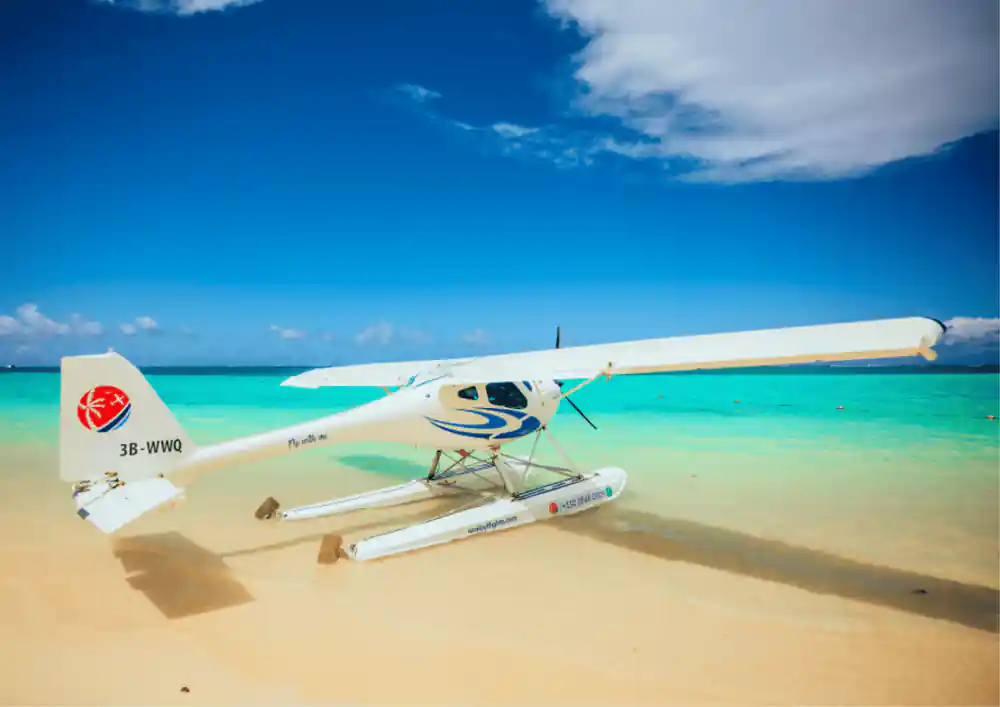
- LagoonFLIGHT's daily seaplane tours in Mauritius leave from La Prairie beach, so plan the drive before an early slot.[3]
- Top choice East Coast Seaplane Tour from US$254 Duration15 - 30 minutes[2]Rating4.22 from 128 reviews[2]LanguageEnglish, French[2]CancellationCancel up to 24 hours in advance[2] Check availability
- South East Speedboat Day from US$144 Duration7 hours[4]Rating4.77 from 452 reviews[4]LanguageEnglish, French[4]CancellationCancel up to 24 hours in advance[4] See this tour
- Northern Isles Catamaran from US$81 Duration8 hours[5]Rating4.70 from 2,082 reviews[5]LanguageEnglish, French[5]CancellationCancel up to 24 hours in advance[5] See this tour
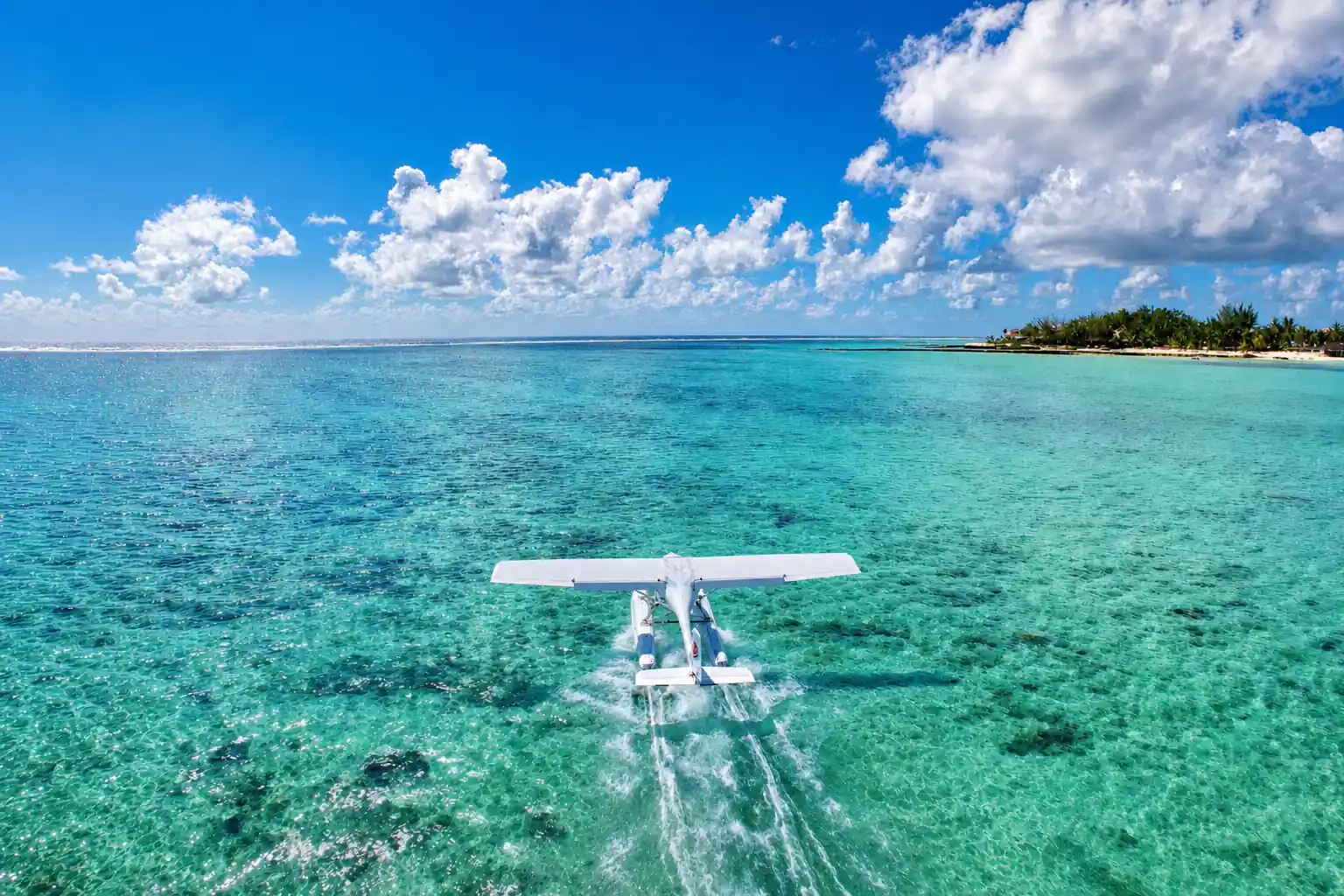
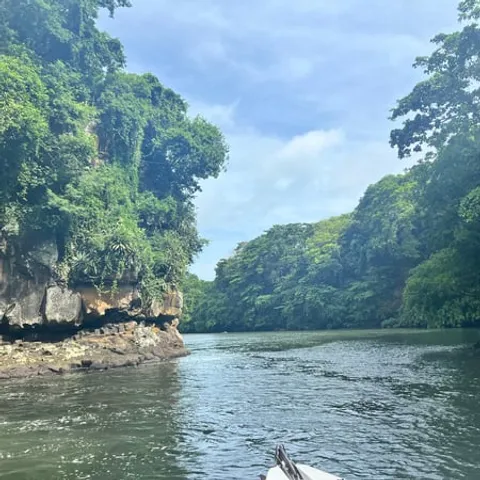
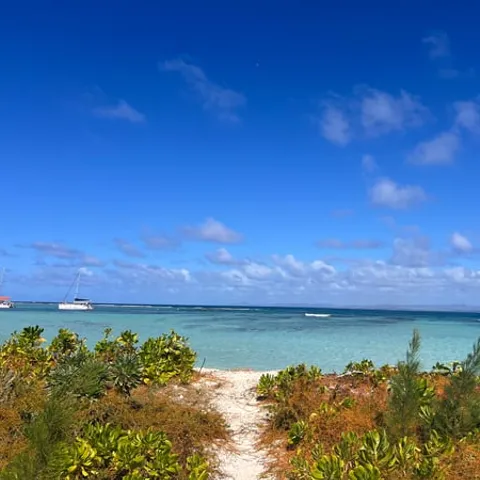
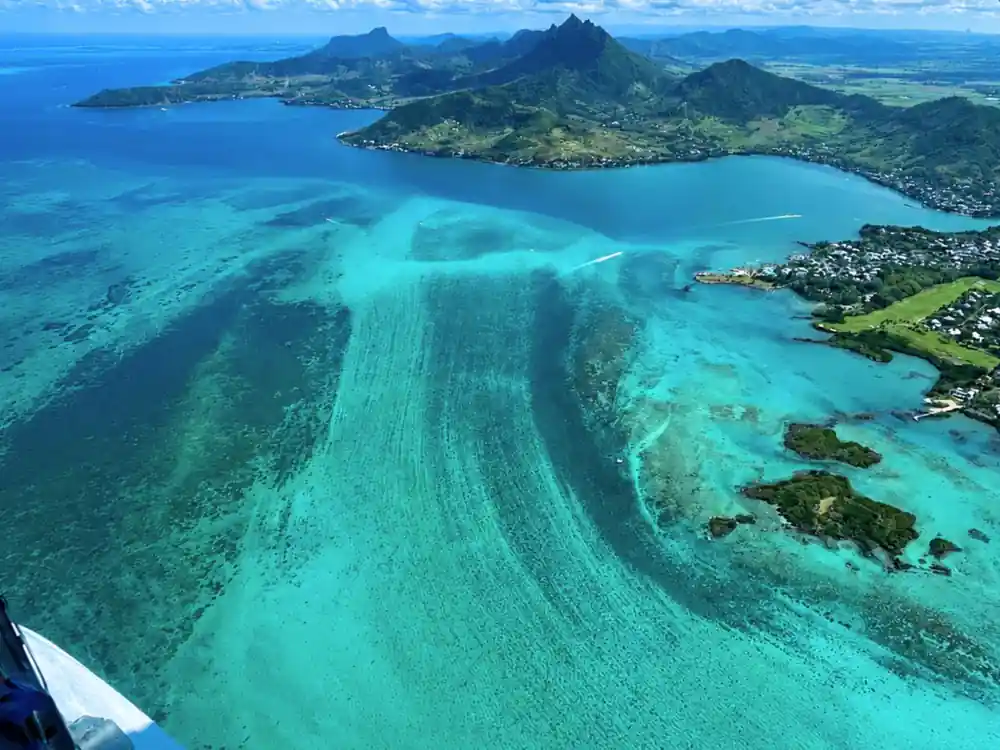
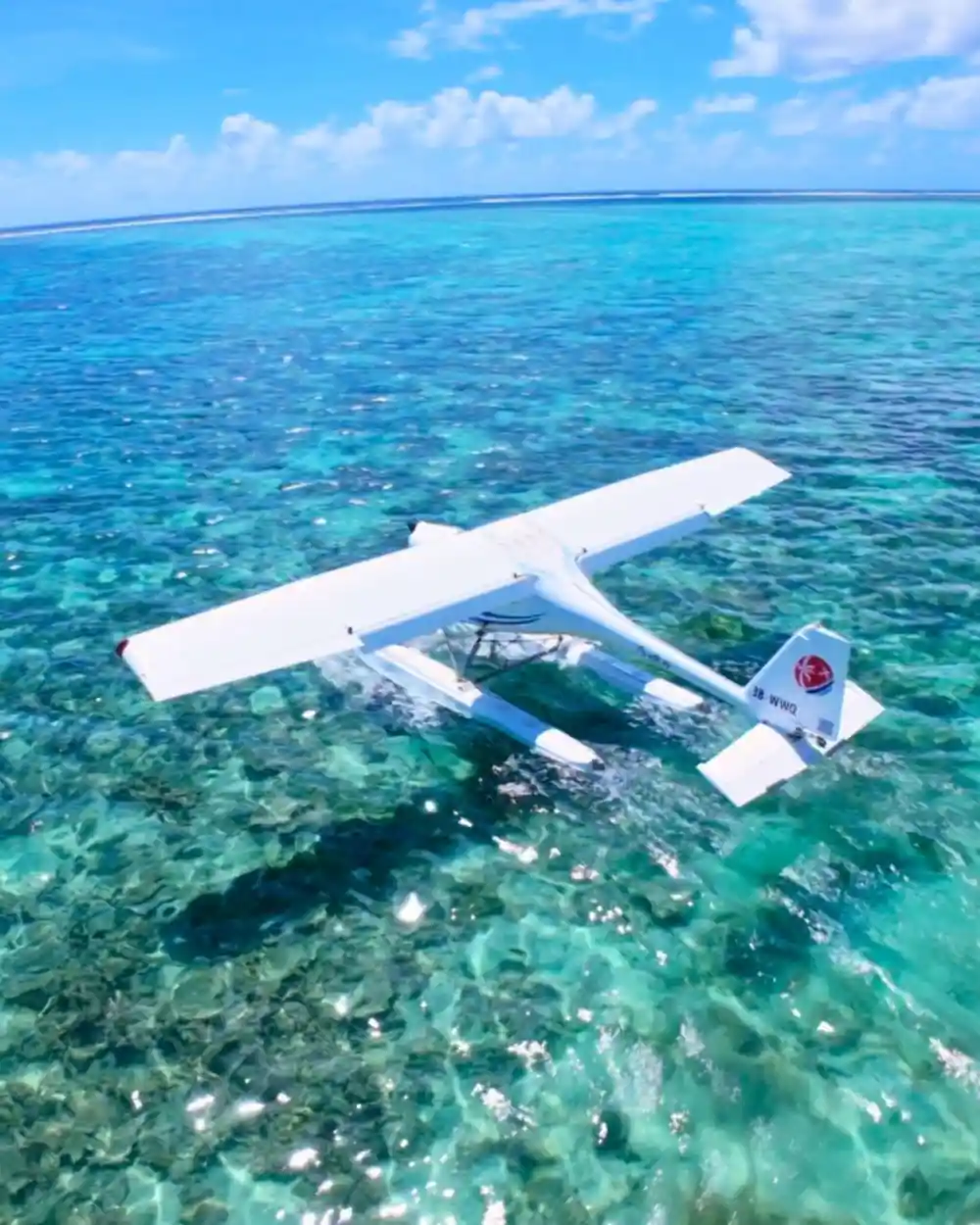
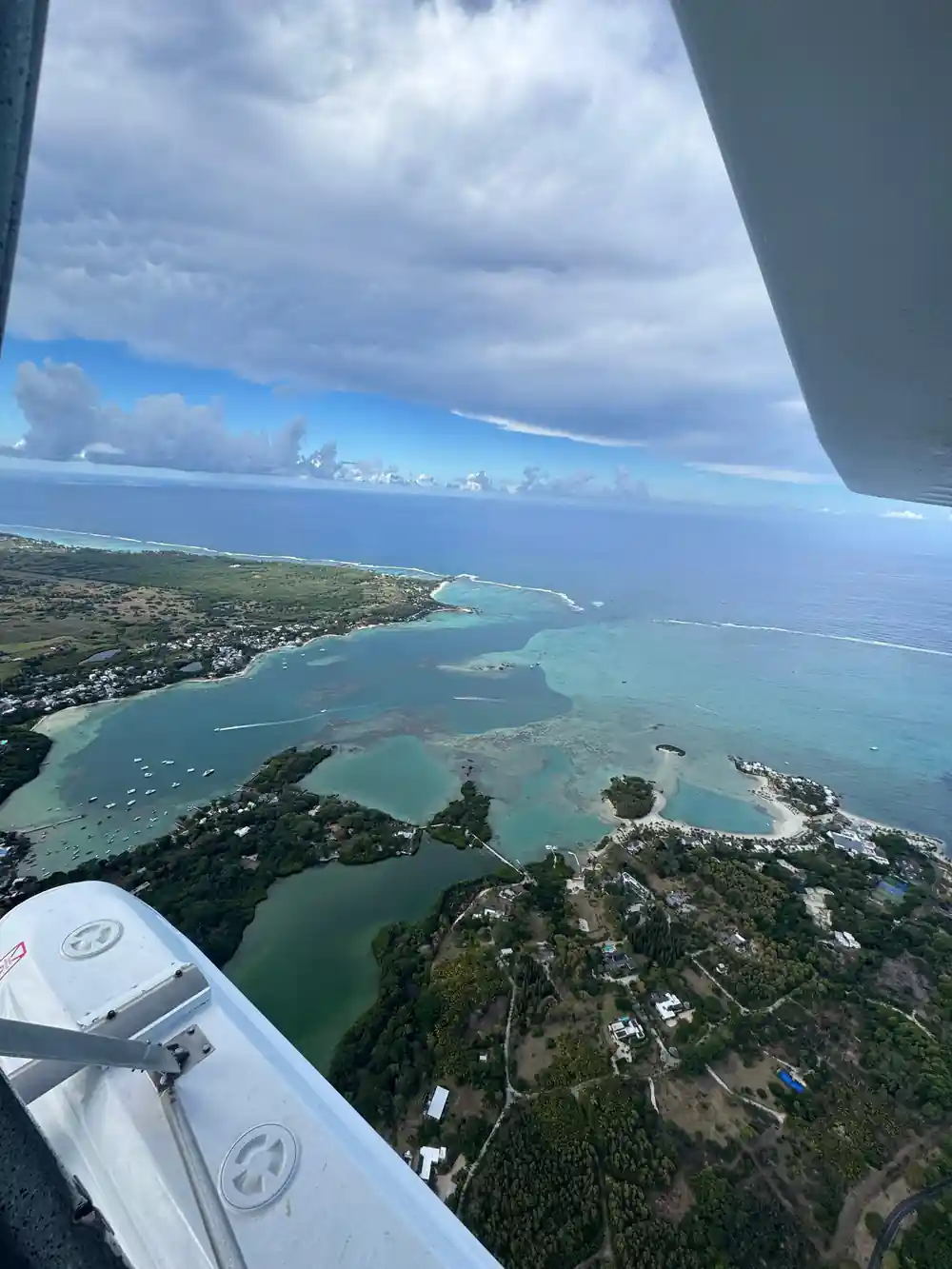
Explore Mauritius from a unique perspective with our daily seaplane tours departing from La Prairie beach.
Who can fly, and who should look at a boat instead
Who can fly
Who can fly on a Mauritius seaplane tour
A seaplane seat in Mauritius is a tightly defined thing. The aircraft carries the pilot and one passenger, and two limits decide whether that passenger is you: a minimum age of 15 and a maximum weight of 100 kilograms.[1] There is no cabin, no aisle to walk down and no empty row to spread into. You sit beside the pilot with the window, the lagoon and the whole east coast in front of you, and the flight begins the moment the floats leave the water.
The East Coast Mauritius Private Scenic Seaplane Tour is listed as a private group, lasts 15 to 30 minutes and stops at Belle Mare.[2] English and French are the languages given for the flight, and it is listed from US$254.[2] That combination of a short flight and a single seat is what makes the experience feel less like transport and more like an hour borrowed from the sea.
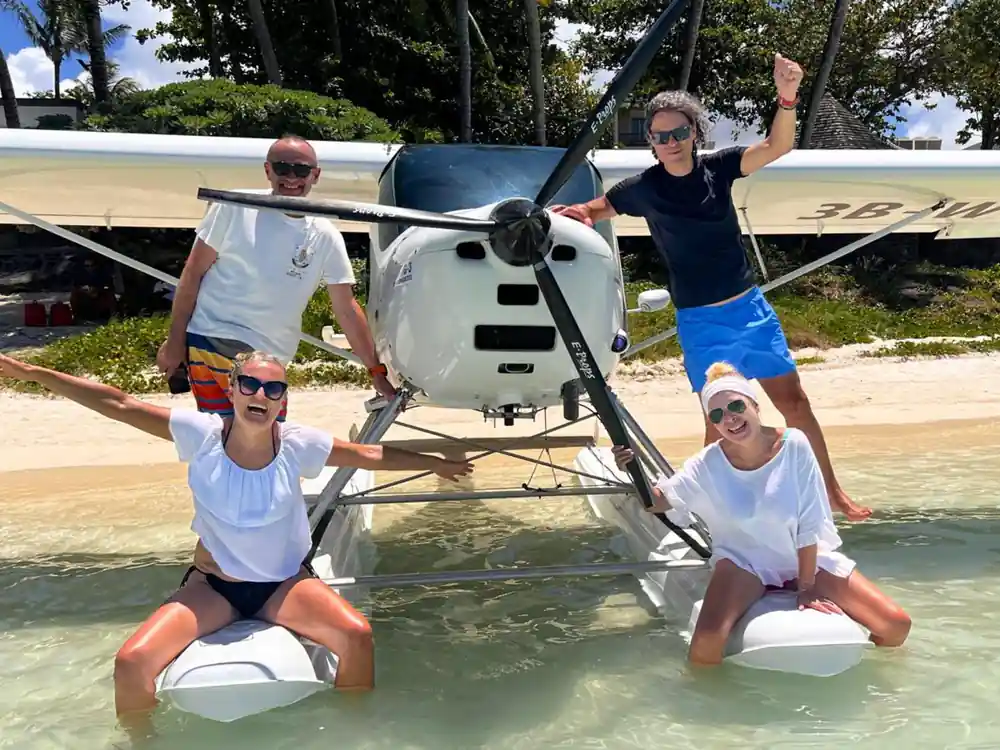
For a couple, that single passenger seat shapes the day. One of you flies while the other waits on the beach, then you swap and compare notes. Families work in the same rotation, in turns rather than in one go.[1] Two people hoping to sit together will be disappointed, and two people happy to take turns will come home with a story each.
The weight limit, and why it exists
The figure that decides the seat is a maximum of 100 kilograms per passenger.[1] Every light aircraft is loaded to a plan, and a seaplane on floats adds water, wind and the way the hull sits to the sums a pilot works through before the engine starts. Whether you are a gym regular or a holiday snacker makes no difference to the number. What matters is the total, and the total is yours to know in advance.
Weigh yourself at home on the scale you trust, wearing what you plan to fly in, and then add whatever you intend to carry on board, such as a camera, a bottle of water or a beach bag. If the total sits comfortably under the ceiling, you can book without a second thought. If it is close, deal with it before you pay rather than on the morning of the flight, when the options are much narrower.
If you are over the limit, or near enough to want a back-up plan, there are other ways to see the island from above. Mauritius helicopter tours include a quick fifteen-minute ride that starts at roughly 8,500 MUR per person, and the scenic helicopter flight with hotel transfers is listed from US$860.[6][7] Catamaran and speedboat days along the coast are the other way to spend time on the water, at a very different pace from a flight.
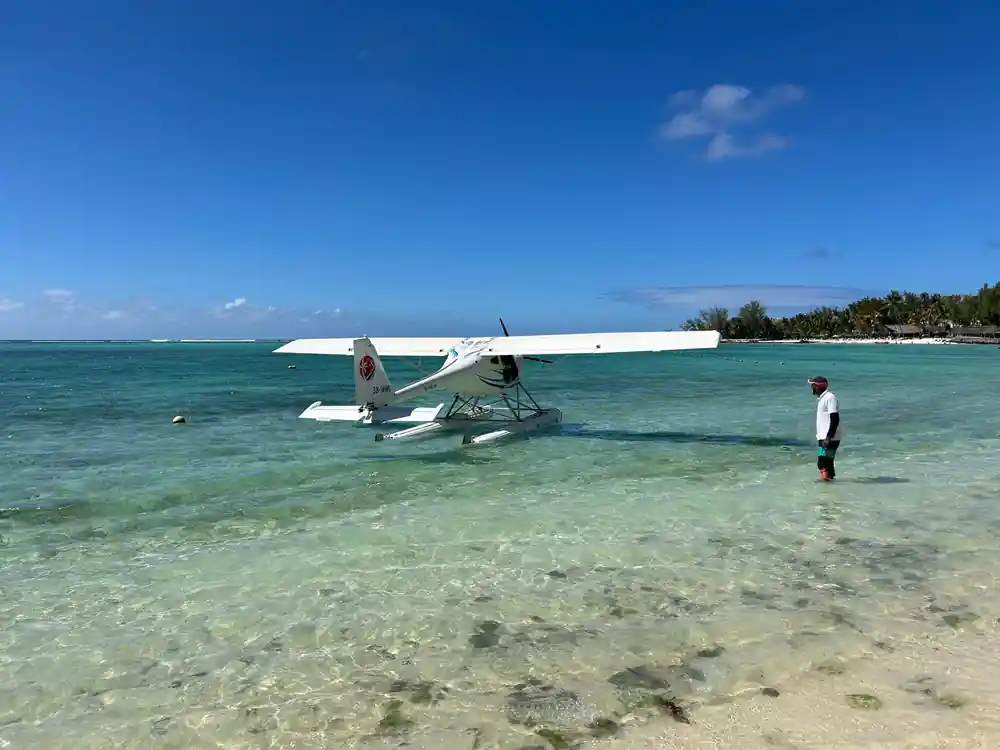
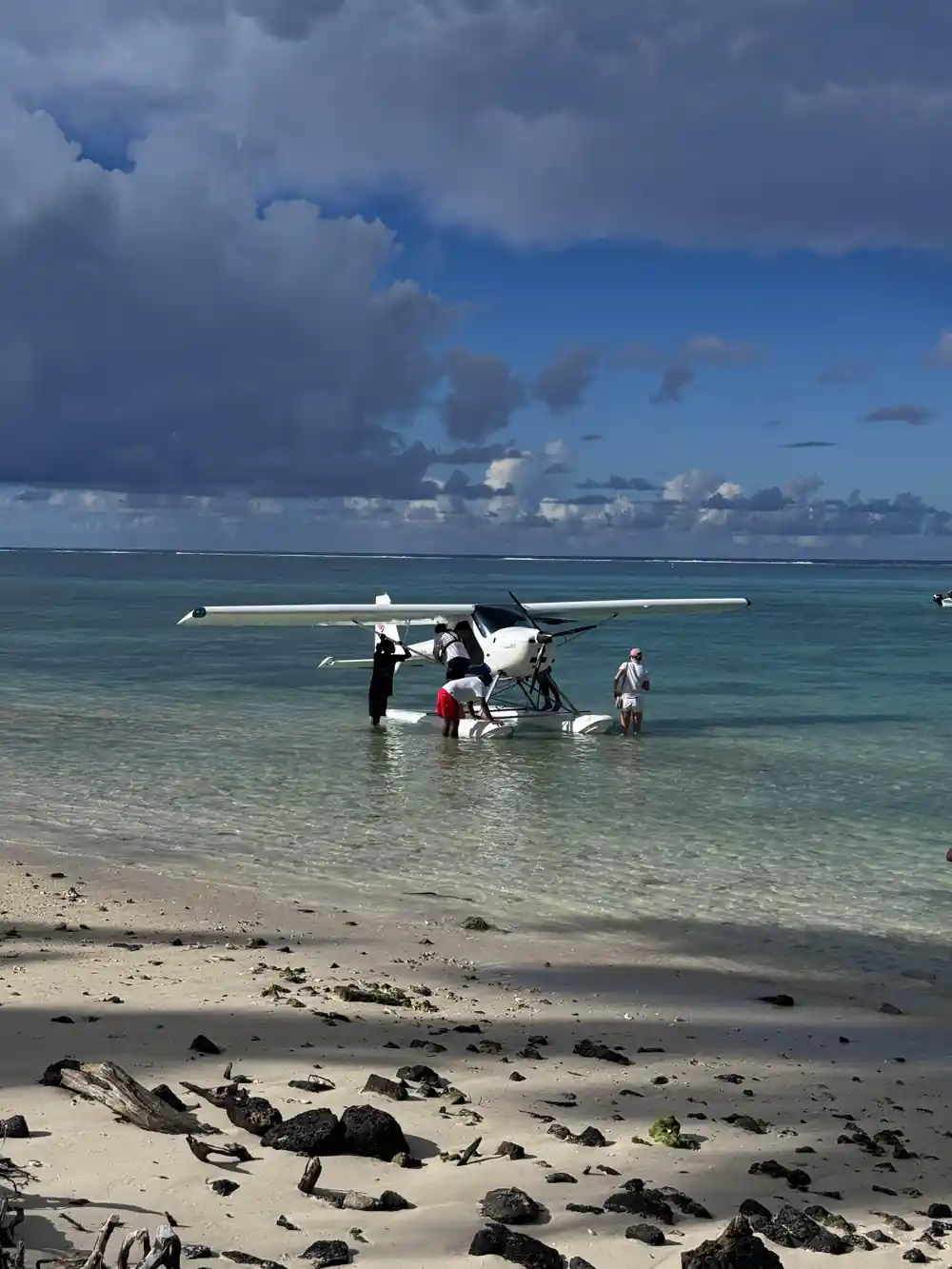
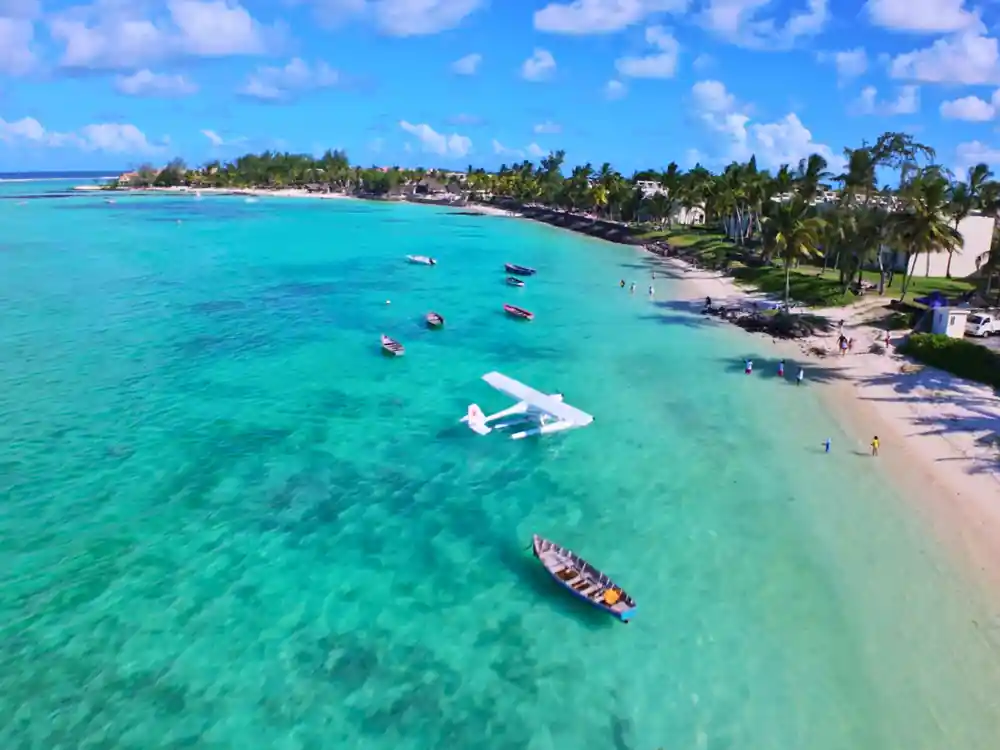
A seaplane taxis across the lagoon before lifting off the water.
Children and family bookings
The minimum age on board is 15.[1] That single line settles most family questions. Younger children cannot fly, so the family has to decide who stays on the beach and who takes the seat. Older teenagers can fly on their own booking while a parent watches from the sand. There is no family ticket that changes the arithmetic, because the aircraft only ever has room for one passenger.
For families, the logistics matter more than the rule. LagoonFLIGHT's daily seaplane tours in Mauritius depart from La Prairie beach, which makes an easy base for the people on the ground, with towels, shade and a clear view of the water.[3] Set up early, keep drinks in a cool bag and let the flight be the centre of a slow beach morning rather than a dash between activities.
If two teenagers both want a turn, treat that as two separate flights and book accordingly. A nervous teenager can watch the aircraft land and take off before their own slot, and that glimpse from the sand is often all the reassurance anyone needs. Parents who want a photograph of the moment will usually get a better one from the beach than from inside the aircraft.
Mobility, and getting aboard
Boarding a seaplane is not like walking down a jet bridge. Flights begin and end on the water, and LagoonFLIGHT's daily departures leave from La Prairie beach.[3] Depending on the water level, you may step from firm sand onto a float and then down into the seat, with the pilot steadying you. It is a short move rather than a climb, but it happens outdoors, on an uneven surface, and it is worth picturing before you book.
If you use a walking stick, have a knee or a hip that dislikes soft sand, or simply need a little more time than most passengers, say so when you book rather than on the day. Ask what the walk to the aircraft involves, whether the water will be high or low on your date, and whether anyone can carry a bag for you. These are easy questions to answer in advance and awkward ones at the water's edge.
Footwear is the other half of it. Sandals or old trainers cope with wet sand better than anything you would wear to dinner, and a light layer keeps the wind off once you are up. Travel light and keep your hands free for the handholds, and the whole business of getting aboard stays simple.
from US$254
The East Coast Mauritius Private Scenic Seaplane Tour is listed from US$254, lasts 15 to 30 minutes and stops at Belle Mare.[2]
Motion sickness, pressure and the air
Scenic seaplane flights are low and unhurried compared with an airliner. That is the whole point of them, and it also means you feel the air instead of sailing above it in a sealed tube. A flight over warm water in the middle of the day can be bumpy once the breeze builds, while the same route early in the morning tends to be smoother and the light is better for photographs. If you have a choice, take the earlier slot.
Ears are rarely the problem on a flight this low and this short. The stomach is the more common complaint. A small aircraft moves in three directions at once, and a float landing carries a little of the motion of a boat. If you go pale on a catamaran or a bumpy bus ride, treat this as a day to prepare for rather than a day to hope for the best.
If you know you get queasy, talk to a pharmacist before you travel and take whatever you decide on well before the flight, not on the way to the beach. Tell the pilot too. A gentler climb out over the lagoon is often kinder than a steep one, and a pilot who knows how you are feeling will fly accordingly.
What to bring and what to leave
Carry less than you think you need. A camera, sunglasses, a hat with a strap, a light layer for the wind and a bottle of water cover most flights. Stowage in an aircraft this small is whatever you can hold, so the big beach bag is better left in the car or with whoever is waiting on the sand. Pack for a boat trip rather than for an airport terminal.
Dress for sun and reflections. Light bounces off the lagoon and comes back at you from below as well as from above, so sunscreen, a hat and sunglasses all earn their place, even on a hazy morning. Shoes that cope with sand keep the day easy. A thin long-sleeved top is useful if you burn easily, and it doubles as wind protection once the aircraft is moving.
Leave behind anything you would hate to drop. Loose hats, paper tickets and phones without a strap are the usual casualties of a flight over water. Keep a phone in a zipped pocket or on a wrist strap, and decide before you board whether you are taking pictures or simply looking. Both are good choices, and the view does not need a filter.
Seaplane accident worries and the questions to ask
The rules that decide who can fly are the visible part of a set of checks that sit behind any commercial flight. The aircraft takes the pilot and one passenger.[1] If you want more detail than the listing gives, ask the operator directly. How many hours has the pilot flown? How is the aircraft maintained, and by whom? What weather stops a flight, and what happens if conditions change while you are in the air?
Concern about a Mauritius seaplane crash is understandable, and hesitation is more useful when it turns into questions. The same goes for a seaplane accident Mauritius headline you may have read elsewhere: ask the operator what happened, what changed afterwards and how the flight is run now. Clear answers tell you as much about an operation as any brochure photograph.
Booking terms give you room to think as well. The seaplane tour is offered with reserve now and pay later, and free cancellation applies up to 24 hours in advance.[2] The official cyclone season in Mauritius runs from 15 November to 15 May, which is worth noting when you choose dates for a flight over open water.[8] A date outside that window is not a promise of calm air, but it is a useful thing to have on the calendar.
How travellers rate four Mauritius tours
What a flight or a day on the water costs
From prices as listed on GetYourGuide:[2][4][5][7]
When to book, and what to check first
Before you book your flight
Read the limits first
Minimum age 15 and a maximum weight of 100 kilograms per passenger decide who flies.[1]
Weigh and pack at home
Stand on the scale in the clothes you plan to wear, then add the camera and bag you want to carry with you.
Ask about health and boarding
Pregnancy, heart conditions, recent surgery and stiff knees are all worth a chat with your doctor and the operator.
Pick a slot that suits you
LagoonFLIGHT's daily seaplane tours in Mauritius leave from La Prairie beach.[3] Earlier slots tend to be smoother.
Book with room to change
Reserve now and pay later, and cancel up to 24 hours in advance for a full refund.[2]
Carry light, dress for water
Sunglasses, a hat you can hold on to, and shoes that cope with sand cover most of what you need on the day.
Ready to see the east coast from the air?
from US$254Reserve now & pay later